
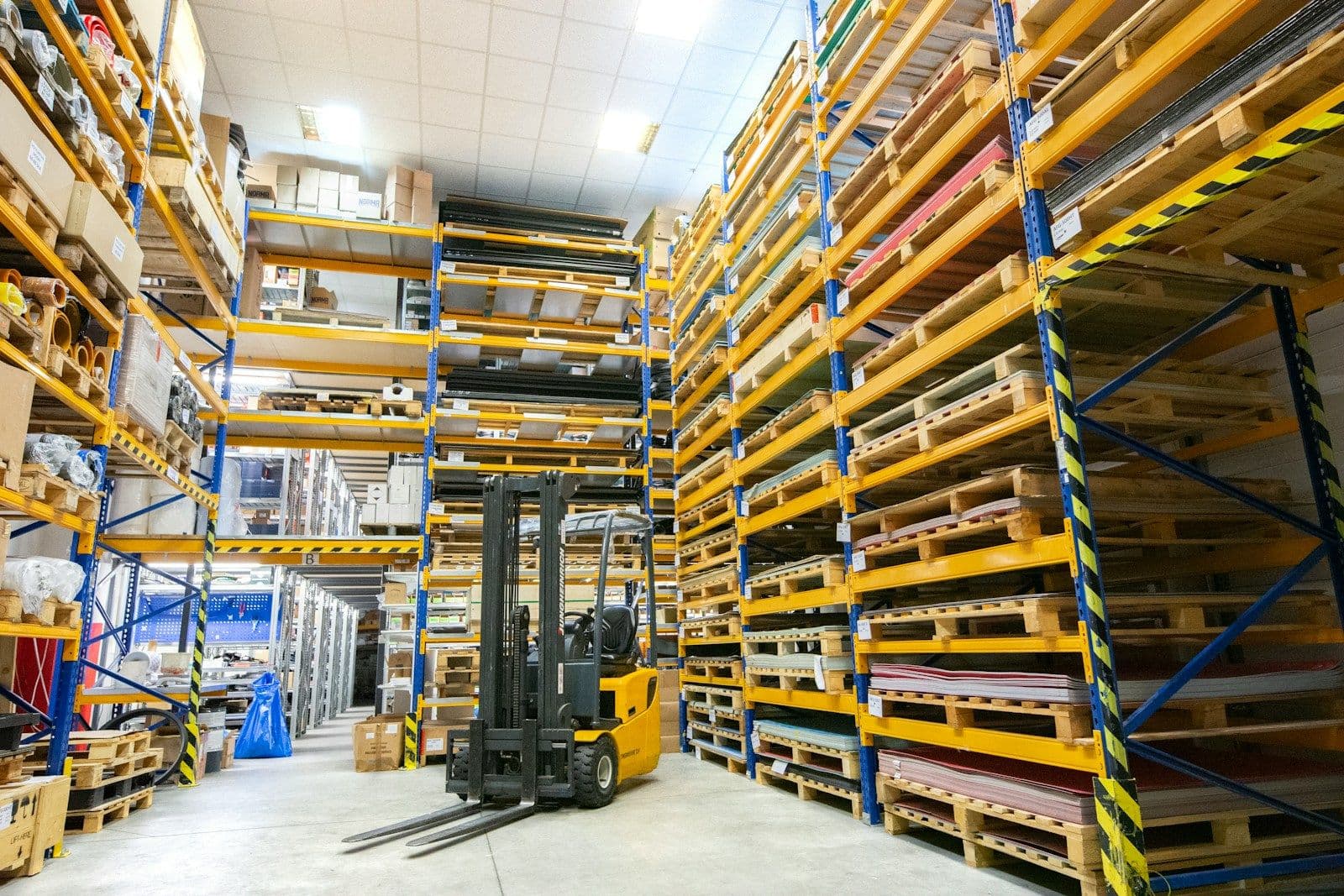
B2C fulfilment is processing and shipping orders to consumers, usually from a webshop or marketplace. B2B fulfilment is the same, but for businesses: shops, wholesalers, hospitality or retailers' distribution centres. It sounds like a small difference. In practice, it's a different trade.
The key differences
- Order size: a consumer orders one or a few items. A business orders per carton, per layer or per pallet.
- Packaging: B2C goes in a shipping box or envelope. B2B goes in cartons or on a pallet, stacked and wrapped according to requirements.
- Documents: a consumer gets a packing slip. A retailer expects a delivery note, GS1 labels with SSCC and often an electronic despatch advice (EDI).
- Delivery: parcels go with a parcel service. Pallets go with a pallet carrier, often in a booked time slot.
- Timing: consumers want it tomorrow. Retailers want it at an exactly agreed moment, not earlier and not later.
- Mistakes: a wrong parcel leads to a return. A wrong pallet can be refused, or lead to a fine.
Why many brands need both
A personal care brand sells through its webshop, to a few concept stores and to a retail chain. A bike brand sells online and supplies dealers. These companies need B2C and B2B at the same time, from the same stock.
The problem: many fulfilment partners specialise in one of the two. Parcel specialists are strong in speed and volume, but have little experience with pallets and EDI. Traditional logistics companies can handle pallets, but aren't set up for individual webshop orders. If you use two partners, you have two stocks, and they rarely add up. Also read webshop and retail from one stock.
What to look for in a partner for B2B and B2C
- 1Can they ship parcels, cartons and pallets from the same stock?
- 2Do they have experience with retailers' delivery requirements: GS1 labels, SSCC, EDI and time slots?
- 3Do they take packaging units into account, so full cartons for retail aren't broken open for webshop orders?
- 4Do they integrate with your webshop, marketplaces and your ERP?
- 5Can they track batch numbers if your retailers ask for it?
Sendwit is built exactly for that combination: pallets to retailers, cartons to shops and parcels to consumers, from one stock. Read more about our e-commerce and retail fulfilment.